
Were there really bison in this area? What is the plan for restoration at Bucknell? What are we even restoring to? These questions are exactly what Dr. Chris Martine, Biology Department Chair, answered.
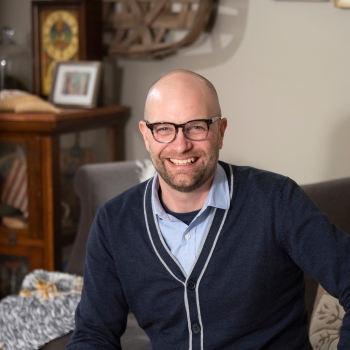
Unfortunately, when it comes to the question of “were there really bison in this area,” there is not much evidence to support the claim but confirmation has not yet been solidified. Martine however did explain that bison, specifically forest bison, may have dwelled this far north. When pointing out other animals that existed here, deer would have always been present, along with elk. It is important to take past life into account when planning for the future.
Where are we going to be restoring? What is the goal of restoration? What does it take to restore? It is after answering these questions that restoration can begin.
Bucknell has decided their primary focus is to restore sections of the campus to the native plantings based on the environment there. Places that would be ideal for restoration include the grove, anywhere a stream comes through campus, the Bucknell landing, the greenway, and sections by the old shotput practice area. Restoration would include the planting of native species, the removal of invasive species, and evaluating how to take action moving forward as the campus continues to grow.
Martine emphasized that the purpose of restoration is to “create spaces where the natural complexity, the beautiful complexity” is preserved. This includes focusing on the small things that we tend to overlook when rushing around campus such as birds chirping, stream gurgling, and bees buzzing.
A common downfall when undertaking a restoration project is that these projects “need to be long-term commitments or it will not work.” Some hold the belief that restoration is just planting native flowers, watering them, and then leaving them to continue to grow but it is not that easy. Time and patience are both necessary for a project such as restoration.
Martine’s passion is to share scientific knowledge in biology with the nonscientific community. The way that he is pursuing this passion is through his Youtube series “Plants are Cool Too“. This series has been going on for nearly 12 years and delivers amazing research in bite-sized chunks.
This is just the beginning of Bucknell’s restoration journey. With dedication, innovation, and commitment, Bucknell is sure to see a greener, more native future where it is not students verses nature but rather a beautiful coexistence of the two.